Featured
Table of Contents
Cognitive Triad of Distressing Anxiety. An integral part of experiencing trauma is really feeling various from others, whether the trauma was an individual or team experience. Terrible experiences usually feel surreal and test the need and value of ordinary tasks of life. Survivors usually believe that others will not completely recognize their experiences, and they might believe that sharing their sensations, ideas, and responses associated with the trauma will disappoint assumptions.
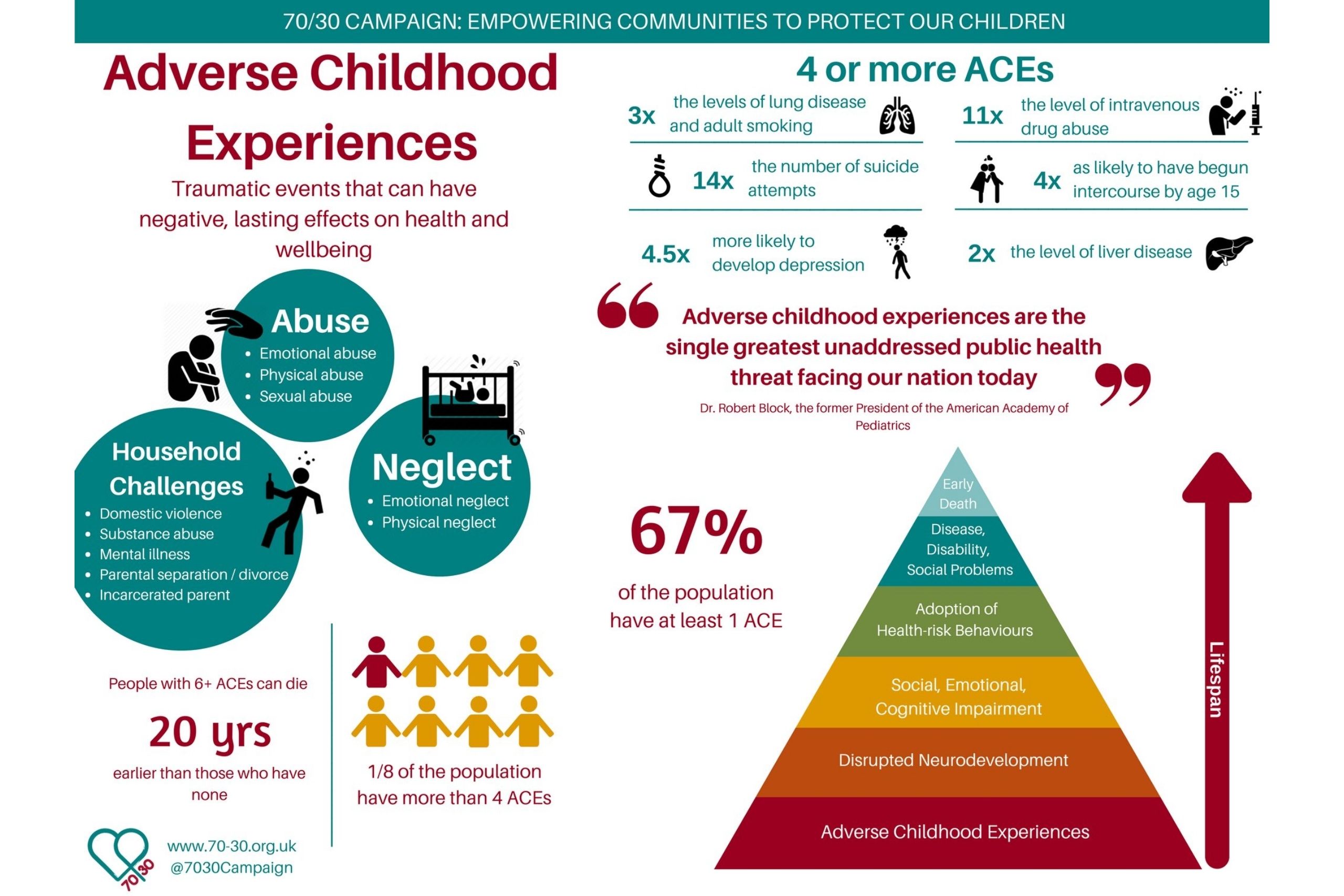
The sort of trauma can dictate exactly how a specific really feels different or thinks that they are different from others. Traumas that create embarassment will certainly usually lead survivors to feel even more estranged from othersbelieving that they are "damaged products." When people believe that their experiences are distinct and incomprehensible, they are most likely to look for assistance, if they look for support in any way, only with others who have actually experienced a similar trauma.
Triggers are typically connected with the time of day, season, vacation, or anniversary of the event. A flashback is reexperiencing a previous stressful experience as if it were actually happening because minute. It includes responses that usually appear like the customer's reactions throughout the trauma. Recall experiences are really quick and commonly last just a couple of seconds, but the psychological side effects stick around for hours or longer.
Why Opt For Eye Movement Desensitization and Reprocessing or Accelerated Resolution Therapy for treating Personal Concerns through Anxiety therapy
Various other times, specific physical states increase an individual's susceptability to reexperiencing a trauma, (e.g., exhaustion, high stress and anxiety degrees). Recalls can really feel like a quick motion picture scene that intrudes on the client.
If a client is triggered in a session or throughout some facet of therapy, help the client focus on what is occurring in the below and now; that is, utilize basing strategies., for more grounding methods).
Later, some customers require to review the experience and understand why the flashback or trigger took place. It frequently aids for the customer to draw a connection between the trigger and the traumatic event(s). This can be a preventive approach whereby the client can prepare for that a given circumstance puts him or her at greater risk for retraumatization and calls for use coping methods, including seeking support.
When Accelerated Resolution Therapy Delivers Fast Resolution
Dissociation is a psychological procedure that severs links amongst a person's ideas, memories, sensations, actions, and/or sense of identity. Most of us have actually experienced dissociationlosing the capacity to remember or track a specific action (e.g., reaching work but not remembering the last mins of the drive). Dissociation occurs since the person is participated in an automatic task and is not taking notice of his/her immediate environment.
Dissociation assists distance the experience from the person. People who have actually experienced severe or developing trauma might have discovered to divide themselves from distress to survive.
In non-Western cultures, a feeling of alternate beings within oneself might be translated as being lived in by spirits or ancestors (Kirmayer, 1996). Other experiences linked with dissociation consist of depersonalizationpsychologically "leaving one's body," as if enjoying oneself from a distance as an observer or via derealization, causing a feeling that what is happening is unknown or is not actual.
Telehealth EMDR Sessions & ART Treatment: Effectiveness

One significant long-lasting consequence of dissociation is the trouble it causes in attaching strong emotional or physical reactions with an event. Often, individuals might believe that they are freaking out because they are not in touch with the nature of their responses. By educating clients on the resilient high qualities of dissociation while additionally stressing that it avoids them from attending to or validating the injury, individuals can begin to understand the duty of dissociation.
Terrible tension responses differ commonly; usually, people take part in behaviors to take care of the aftereffects, the intensity of feelings, or the distressing aspects of the traumatic experience. Some individuals lower stress or tension via avoidant, self-medicating (e.g., alcoholic abuse), uncontrollable (e.g., overindulging), spontaneous (e.g., risky habits), and/or self-injurious actions. Others might attempt to get control over their experiences by being hostile or subconsciously reenacting aspects of the injury.
Commonly, self-harm is an attempt to cope with emotional or physical distress that appears overwhelming or to manage a profound feeling of dissociation or being caught, powerless, and "harmed" (Herman, 1997; Santa Mina & Gallop, 1998). Self-harm is connected with previous youth sexual assault and various other types of trauma as well as chemical abuse.
Healing Compound Traumatic Events using Eye Movement Desensitization and Reprocessing
Marco, a 30-year-old guy, sought therapy at a regional psychological health center after a 2-year bout of anxiety symptoms. He was an active member of his church for 12 years, however although he looked for help from his pastor regarding a year ago, he reports that he has had no contact with his priest or his church since that time.
He defines her as his soul-mate and has actually had a challenging time recognizing her activities or how he can have prevented them. In the initial consumption, he discussed that he was the initial individual to locate his better half after the suicide and reported feelings of dishonesty, pain, temper, and destruction because her fatality.

Latest Posts
The Trauma of Forced Conformity in Early Life
Navigating Anxiety Disorders Through a Neurodivergent Lens
Understanding Why Camouflaging Contributes in Deep Fatigue