Featured
Table of Contents
With time, despair signs and symptoms will normally alleviate. You'll be able to feel happiness and happiness along with pain.
Don't isolate on your own. Workout consistently, eat well, and obtain enough sleep to stay healthy and balanced and energized. Return to the tasks that bring you delight. Talk to others who are also grieving. It can help you really feel more linked. Studies show that taking part in a grief assistance group can help safeguard you from creating extended or complex despair.
There are some means to sustain your liked ones when they're regreting. Help with plans? Offer to run errands, drive their kids to institution, prepare a meal, or help with washing.
Pay attention even more than you talk. Never state a loss had not been a big deal, or that they need to proceed. Do not place a favorable spin on their loss. Declarations like "it's all for the very best" or "they're in a better location now" can seem prideful. Enable your loved one to refine their feelings honestly.
Cultivating Sustainable Partnerships After Complex Trauma Work in Your Life

Working with sorrow might require expert aid. Pain is an all-natural reaction to various kinds of loss.
It's various for everyone. There are several sort of sorrow. There are 5 stages of pain that can be used to assist comprehend loss. Pain can cause physical and psychological signs. There's specialist assistance and assistance available for dealing with grief. Some specialists have expanded Kubler-Ross' 5 phases of despair to 7 phases.
There is no right or incorrect timeline, but this kind of despair improves with time.
Performance Anxiety in Therapists
Yet the original 5 stages of despair (occasionally called the Kbler-Ross design) started with Swiss-American psychiatrist Elisabeth Kbler-Ross, that first outlined them in her 1969 book On Fatality and Dying."Dr. Kbler-Ross invested her career researching the passing away procedure and the impact of death on survivors," Dr. Josell shares. "She described this five-stage procedure of passing away to help us recognize the process." The protocol was later on used to those influenced by a person else's death.
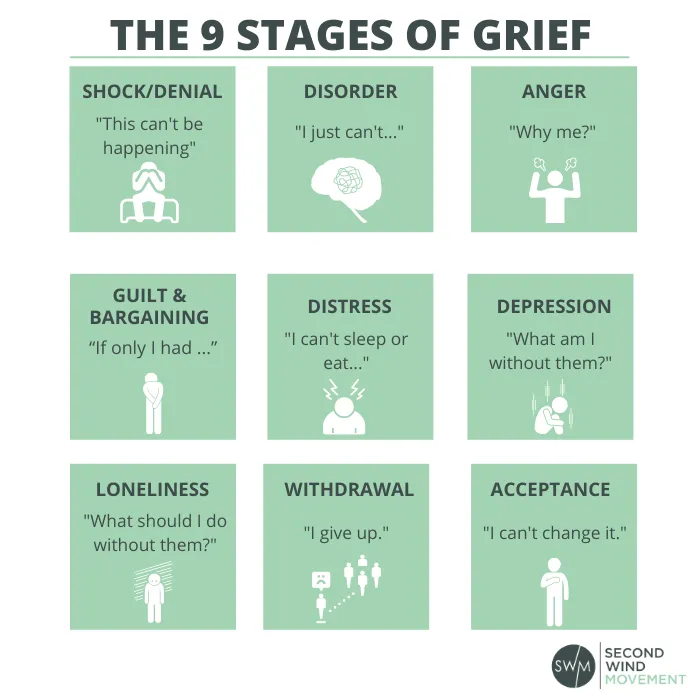
Signs and symptoms of rejection throughout the grieving process may include: Thinking that there's been a blunder and your liked one isn't in fact goneRefusing to discuss your loss or acting like every little thing is Alright when you doStaying active with work or various other tasks so you do not have to challenge your feelingsPretending your enjoyed one has gone on a getaway or will be back soonContinuing to talk regarding your lost liked one in the present strained The bargaining procedure sometimes occurs prior to your loss has totally happened, like when you think, "If I recoup from cancer cells, I guarantee I'll begin going to church," or "If my spouse survives his heart attack, I'll never argue with him again."This might not look like negotiating, but the reasoning is comparable.
Josell clarifies. "Temper is a completely all-natural reaction, and in the situation of loss, it can be guided at a range of resources," Dr. Josell notes. It can also show up as criticize the sensation that someone is at mistake for your loss. You may really feel upset with yourself for some viewed role in the loss, or even at your loved one for dying.
Depression Behind the Mask of Professional Excellence
If you shed your task, you might feel upset at the coworker who acquired your workload. If you could not manage your home and had to market it, you may feel upset with the financial institution and even the real estate professional or the brand-new customers. Your anger might additionally be much less targeted, slipping up randomly minutes.
"However sorrow can develop into clinical anxiety, so it is necessary to resolve it as you're experiencing it," Dr. Josell recommends. The discomfort of your pain may never completely discolor. Yet approval means finding out to cope with the loss acknowledging this brand-new reality and enabling sadness and pleasure to live together with each other.

Latest Posts
Gender-Affirming Support Support
Body-Based Work for Nervous System Regulation
Embodying: Healing Dissociation to Wholeness Through IFS